Steller's Sea Eagle

Steller's Sea Eagle

Steller's Sea Eagle

Steller's Sea Eagle

The Steller's Sea Eagle (Haliaeetus pelagicus) is a large bird of prey in the family Accipitridae. It is an eagle that lives in coastal northeastern Asia and mainly preys on fish and water birds. 

On average, it is the heaviest eagle in the world, at about 5 to 9 kilograms (11 to 20 lb), but may lag behind the Harpy Eagle (Harpia harpyja) and Philippine Eagle (Pithecophaga jefferyi) in some standard measurements. This bird is named after the German naturalist Georg Wilhelm Steller.

detail

White tailed Tropic bird

White tailed Tropic bird

White tailed Tropic bird

White tailed Tropic bird

The White tailed Tropic bird Phaethon lepturus, is a tropicbird, smallest of three closely related seabirds of the tropical oceans and smallest member of the order Phaethontiformes. It occurs in the tropical Atlantic, western Pacific and Indian Oceans. 

It also breeds on some Caribbean islands, and a few pairs have started nesting recently on Little Tobago, joining the Red-billed Tropicbird colony. In addition to the tropical Atlantic, it nests as far north as Bermuda, where it is locally called a "Longtail".

detail

Shoebill

Shoebill

Shoebill

Shoebill

The Shoebill (Balaeniceps rex) also known as Whalehead or Shoe-billed Stork, is a very large stork-like bird. It derives its name from its massive shoe-shaped bill. Although it has a somewhat stork-like overall form and has previously been classified in the order Ciconiiformes, its true affiliations with other living birds is ambiguous.

Some authorities now reclassify it with the Pelecaniformes. The adult is mainly grey while the juveniles are browner. It lives in tropical east Africa in large swamps from Sudan to Zambia.

detail

Red crested Turaco

Red crested Turaco

Red crested Turaco

Red crested Turaco

The Red crested Turaco (Tauraco erythrolophus) is a turaco, a group of African near-passerines. It is a frugivorous bird endemic to western Angola. Its call sounds somewhat like a jungle monkey. 

The National Bird of Angola is the striking, endemic Red-crested Turaco. The turaco itself is becoming a national icon for conservation, especially bird and forest conservation. It occurs quite commonly along the length of the Angolan escarpment and adjacent forested habitats.

detail

Bird

Bird

Bird

Bird

Birds are feathered, winged, two-legged, warm-blooded, egg-laying vertebrates. Aves ranks as the tetrapod class with the most living species, approximately ten thousand.

detail

Elephant

Elephant

Elephant

Elephant

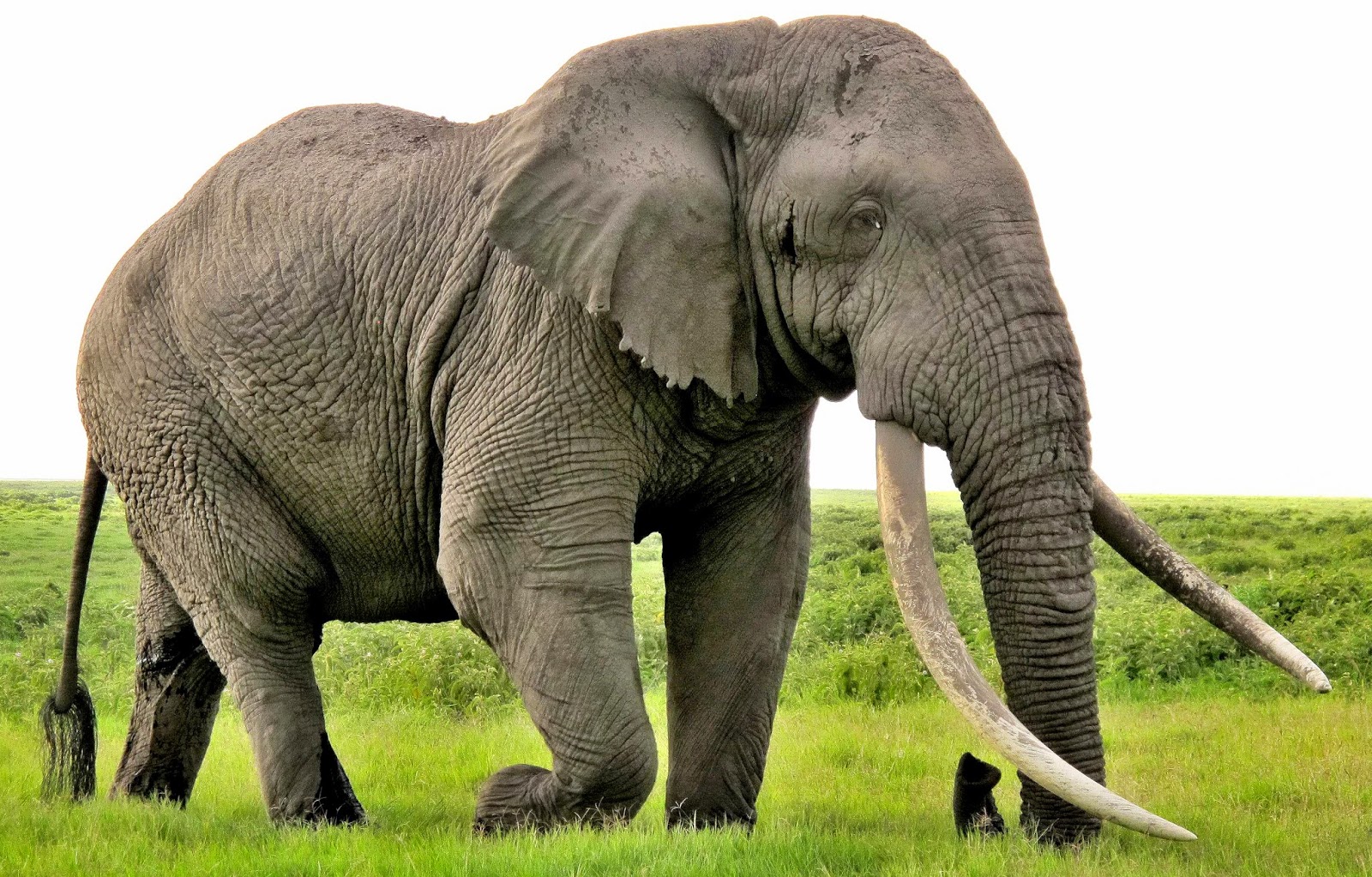
All elephants have several distinctive features the most notable of which is a long trunk or proboscis, used for many purposes, particularly breathing, lifting water and grasping objects. Their incisors grow into tusks, which can serve as weapons and as tools for moving objects and digging. 

Elephants' large ear flaps help to control their body temperature. African elephants have larger ears and concave backs while Asian elephants have smaller ears and convex or level backs.

detail

elephant facts

elephant facts

elephant facts

elephant facts

elephant facts are large mammals of the family Elephantidae and the order Proboscidea. Traditionally, two species are recognised, the African elephant (Loxodonta africana) and the Asian elephant (Elephas maximus), although some evidence suggests that African bush elephants and African forest elephants are separate species (L. africana and L. cyclotis respectively).

Elephants are scattered throughout sub-Saharan Africa, South Asia, and Southeast Asia. Elephantidae are the only surviving family of the order Proboscidea; other, now extinct, families of the order include mammoths and mastodons. Male African elephants are the largest surviving terrestrial animals and can reach a height of 4 m (13 ft) and weigh 7,000 kg (15,000 lb).

detail